Op-Ed
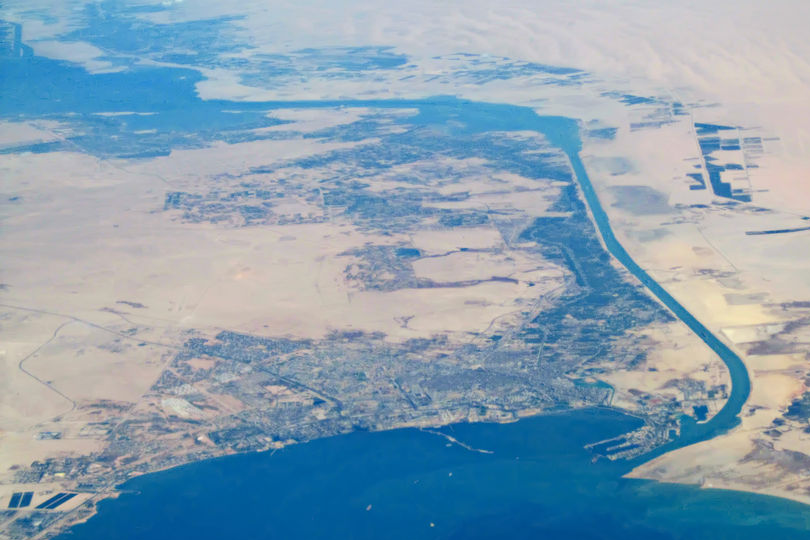
According to Osama Rabie, Chairman of the Suez Canal Authority, in a televised interview just as the U.S.-led coalition began bombing targets in Yemen last week, only 544 vessels made it through the canal between January 1-11, 2024. That compares to 777 ships making the same transit in the same period in January 2023.
That represents a 30% drop in the number of ships passing through since the U.S. launched its Operation Prosperity Guardian "to safeguard shipping" back in December.
When one considers other important parameters the SCA tracks about the ships passing through, Rabie noted that total cargo loads had fallen by 41% from last year for the same period.
The lack of ships has also created a major problem for the SCA as a business. Revenues for the Suez Canal Authority dropped by 40% on a year-to-year basis for the January 1-11 period.
Some shipping enterprises rerouted ships away from the Red Sea and the Suez Canal after Yemeni forces started issuing warnings for Israeli linked ships to turn around, seized one, and attacked others with small drones and rockets. The government in Yemen took its unilateral and entirely justified actions to reduce the war material supplying Israel's genocide of Palestinians. It only targeted ships it had reason to believe were linked to Israel, gave plenty of warning before attacking and didn't injure or kill anyone. The actual impact on shipping not related to Israel was minimal but insurance companies seized on the opportunity to jack up their rates for any ships transiting through the Red Sea.
What had a much greater impact than Yemen's very limited blockade was the U.S. attacking Yemen ships and killing the crew, attacking Yemen with missiles and warning ships to avoid the southern Red Sea. Instead of making the Red Sea safe for shipping, the U.S. made it far more dangerous. After the American and British attacked it, Yemen has retaliated by expanding its targets to include American and British ships anywhere it can reach them.
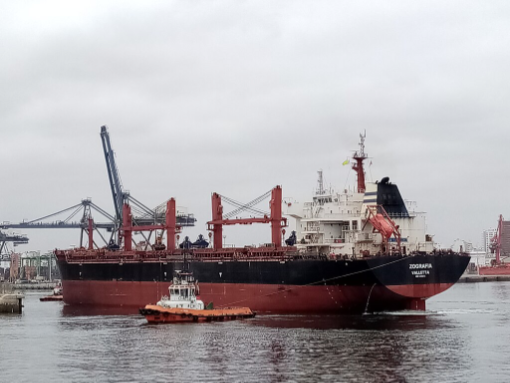
The American and British attacks on behalf of fascist Israel has not deterred Yemeni forces. Yahya Sarea, a senior spokesperson for Yemen's military confirmed their missile struck the Greek-owned Zografia, a cargo ship which if its path had continued would arrived in Israel within days, as it entered the Red Sea. Sarea said the missile struck the ship as a “direct hit”, but there were no injuries and the ship will continue on to Israel.
Some companies, like the Danish shipping giant Maersk, have rerouted all normal shipping which would originally have passed through the Red Sea to an alternate route passing southwards around Africa’s Cape of Good Hope, at significantly greater expense.
Egypt's Rabie also said there was far more at stake for the many shipping companies which have made the to decision reroute than most people realize. Besides increasing total transit times for ships by up to 15 days by taking the southern Africa transit route, there is also the substantial increase in the costs of fuel, crew expenses, and maintenance. The Suez Canal route is also far safer than the Cape transit under ordinary circumstances, from problems caused by weather and rough seas, as well as occasional problems with African coastal pirates looking to seize ships for ransom or to steal their cargo. Pirates based in Somalia continue to plague shipping on a regular basis.
Rabie also reminded the business public which watched his interview that when a ship chooses to travel through the Suez Canal it has access to a diverse range of services which are mostly unavailable for those taking the longer route around the continent. The SCA provides repair and miscellaneous maintenance services, provisioning and handles technical insurance processing as they pass through the canal. The Authority also provides ambulance and medical services for the crew as needed, services which of course are usually minimal in most cases but of occasional critical time-sensitive need.
Egypt relies heavily on revenue from the Suez Canal and with the U.S. turning the Red Sea into a war zone, the economic impact on Egypt and the rest of the world will be severe.
The destabilizing and predatory presence of American, British and soon Germany naval forces in the Red Sea is partially due to the corruption of the dictatorships in the region. The weak rulers remain subservient to Israel and the U.S. and unwilling to risk their own personal wealth and power to step up and ensure the security of the Red Sea as they should. They are also too busy trying to undermine each other to work together for their own best interests.
So far, only Iran and Yemen have been willing to provide any type of rational and proactive regional leadership. Although, Qatar has been trying to negotiate ceasefires and hostage exchanges between Israel and Hamas forces.