Unfortunately for the Palestinian people, the proposed truce will not end the genocide.
Unfortunately for fascist Israel, it appears almost any deal under consideration could rip apart the right-wing coalition Israeli Prime Minister Benjamin Netanyahu patched together in December 2022 which led to the ongoing bloodbath in Gaza.
The negotiations for the framework proposal for the ceasefire are taking place in Paris, a site selected it appears for convenience of most of those in the discussions even though it is siege by angry farmers. The one critical party which could not be present because of security risks to the attendees was Hamas. Despite that, to make any final proposal at least feasible, the negotiations began with formal proposals for what to do both from Israel and from Hamas. Presumably Hamas has been informed of interim discussions and questions raised during the negotiations, likely with Qatar as a go-between.
According to sources close to the negotiations, those who hammered out the draft agreement included representatives from intelligence organizations from the United States and Israel. Presumably that means the CIA and Mossad, which are unusual choices for agencies to bring to the table to discuss peace deals. One individual who could have been present for a short time at the meetings is CIA Director William Burns, who is currently making multiple stops in the Middle East and had previously scheduled meetings with Israeli Prime Minister Benjamin Netanyahu and other Israeli officials.
Hamas just received the details of the plan yesterday.
It is still only a proposal and there is no official approval yet on it either from Hamas or Israel.
The draft agreement reportedly covers a six-week period in which Israel and Hamas are to set aside their weapons. If it runs like the last one, which lasted just under a week in November, Israel will also be demanding that Palestinians in the country cannot move around in Gaza from where they already are, even to check on homes or family members and it will continue to murder and abduct Palestinians on just a more limited basis.
The current plan for the ceasefire has three phases, according to information provided by the Paris negotiators.
Besides launching the six-week ceasefire, Phase 1 will begin with the release of approximately 35 Israeli hostages. Those hostages will include older individuals, children, civilian women, and those who are either injured or sick. Israel is to release hundreds of Palestinians it is holding prisoner at the same time. This phase will also allow for humanitarian aid principally in the form of food and medicine to flow back into Gaza, after now over two months in which only a trickle of that aid has entered. This phase should quieten some of the families of the Israeli hostages.
Phase 2 is intended to step up aid shipments further. For the first time since the October 7 phase of the conflict began, it will also involve switching back on and repairing at least some of the utility services shut down at the Israel’s direction as the mass bombings and killings began. The deal calls for Hamas to release female Israeli soldiers they are currently holding as prisoners as part of this period.
Phase 3 calls for Hamas to turn over the bodies of dead Israeli soldiers they are holding. This would be in return for release of some unspecified number of Palestinian prisoners Israel is holding captive.
Hamas added some details to this a statement of its own.
“Military operations on both sides will stop during the three stages,” it said.
It also clarified that Phase 2 will also include the release of male military Israeli personnel and not just female soldiers.
The Hamas statement also clarified that Palestinian prisoners are to be released during each phase of the agreement. The numbers of each are still being negotiated, it said.
During public comments made at a meeting of the Washington-based Atlantic Council yesterday, Qatar Prime Minister Sheikh Mohammed bin Abdulrahman bin Jassim Al Thani expressed optimism at what he said was “good progress” in creating a framework for a ceasefire, which he hopes will lead soon to the end of the war.
“We tried to blend things together to come up with some sort of reasonable ground that brings everybody together,” he said.
One challenge Al Thani noted was that when the current phase of negotiations began, Hamas had said it would not sign off on any new ceasefire in Gaza unless it was a permanent one this time.
Considering how quickly after the last ceasefire Israel reverted to carpet-bombing and mass murder of thousands in Gaza, and prisoner-taking resumed, it is understandable why such a demand was made.
Still, Al Thani continued, “I believe we moved from that place to a place that potentially might lead to a ceasefire permanently in the future.”
While those close to the negotiations attempted to put a positive spin on the ceasefire framework, key parties both from the Palestinian side and within Israel suggested there would have to be substantial changes before the plan could be locked down.
On the Palestinian side, the secretary-general of the Gaza-based Palestinian Islamic Jihad organization said in a statement released yesterday that it could not agree to any new release of Israeli hostages without ensuring an immediate withdrawal of Israeli forces from throughout Gaza, and a full-scale shutdown of the war.
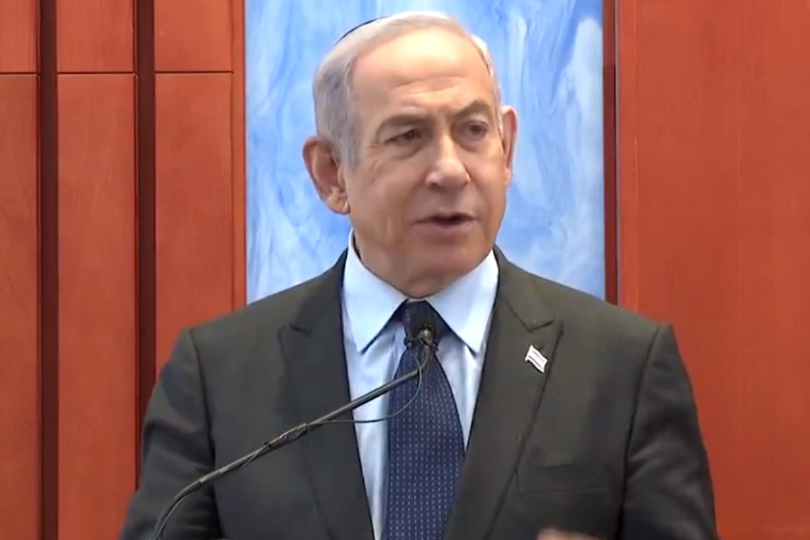
During an address while visiting illegal Israeli settlements in Eli on the occupied West Bank, also made yesterday, Prime Minister Netanyahu said he would not budge from previous statements he had made that Israel intends to keep its forces in Gaza forever and would never commit to a large-scale release of prisoners.
“I hear talk of all kinds of deals,” he said. “I would like to make it clear: we will not conclude this war without achieving all of its goals. That means eliminating Hamas, returning all of our hostages and ensuring that Gaza will no longer pose a threat to Israel.”
“We will not withdraw the IDF from the Gaza strip,” Netanyahu continued, “and we will not release thousands of terrorists. None of this will happen.”
“We will not compromise on anything less than total victory,” he concluded.
This builds on what Netanyahu said last week that ending the war as is would mean Israeli troops had “fallen in vain”, as it would allow for Hamas to remain “intact” and ready to attack again.
The statements Netanyahu unfortunately also contradicts leaks from within Israel that the proposed framework deal sent to Hamas did include a commitment for Israel to release thousands of Palestinian prisoners. In fact, his counter to that so closely mirrors the phrasing of the leaked details about the prisoner swap, that it suggests Netanyahu may be under fire for allowing the proposal in its present form to be sent out to Hamas including that.
Israel National Security Minister Itamar Ben-Gvir, one of the most outspoken critics of making any settlement with Hamas and staunchly opposed to the presence of any Palestinians anywhere within Israel’s borders, released his own statements which came across as a warning of what could happen even if Netanyahu stopped short of proceeding with the complete destruction of Hamas and presumably what is left of Gaza.
Any “negligent” deal Netanyahu might sign off on, Ben-Gvir said, would mean the shattering of the current right-wing government coalition without which Netanyahu would be forced to call an election.
Ben-Gvir was even more blunt in a message he left yesterday on the social media platform X.
“Reckless deal = Government split,” he wrote.
With Ben-Gvir being the head of the militant right-wing Otzma Yehudit (“Jewish Power”) political party with substantial seats in the Knesset which are pledged to Netanyahu’s coalition government, if he were to enforce his threat it will begin a domino fallout of support from many within that coalition.
Netanyahu’s public statements drew quick fire from the Palestinian side.
Sami Abu Zuhri, a senior Hamas official, underlined that when he slammed Netanyahu for having once again “prove[d] he isn’t interested in the success of the Paris meeting and doesn’t care about [Israeli] prisoners’ lives.”
The comment about Israeli prisoners may have been intended to fuel a growing protest movement in Israel, which has taken to the streets in multiple cities in the last weeks to demand the Netanyahu administration do something more to bring Israel’s prisoners back home.
The head of Hamas, Ismail Haniyeh, avoided directly attacking Netanyahu for the moment and instead focused on the proposal at hand.
“Our response to the proposal will be on the basis that the priority is stopping the aggression against Gaza and withdrawing the occupation forces from the strip,” he said.
“The movement is open to discussing any serious and practical initiatives or ideas, provided that they lead to a comprehensive cessation of aggression, securing the shelter and reconstruction process, lifting the siege, and completing a serious prisoner exchange process.”
Haniyeh has agreed to travel to Cairo to enter more detailed negotiations on the framework already submitted.
It will be up to Netanyahu and his ruling coalition to see if there is any interest to negotiate, in view of the comments he and Ben-Gvir made about the proposed agreements in the last few days.