Brazil’s Lula Steps Up Pressure on Venezuela to Prove Maduro Won or Move On
Lead StoryPolitics

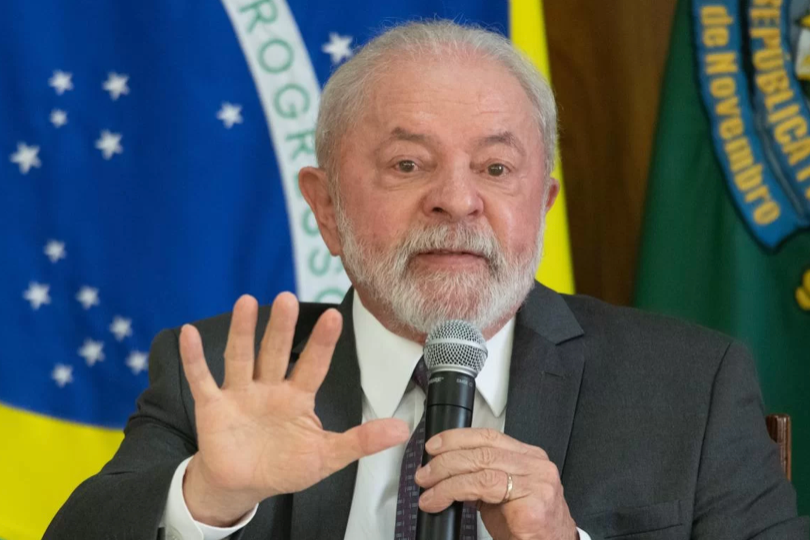
The head of the largest economy in South America just publicly challenged Nicolás Maduro’s statement that he won the July 28 presidential election by a tiny majority.
President Lula da Silva said during an interview on Brazilian radio on August 14 that Maduro needs to do something more than just keep saying he won one of the most significant presidential elections in Venezuela in decades, despite strong evidence to the contrary.
Lula also said directly in perhaps the clearest message yet that he does not accept Maduro’s claims to have won a third term in office.
“Not yet, not yet,” he said when asked during the interview whether he was willing to take Maduro’s word for what happened in that contentious election. “He knows he owes an explanation to Brazilian society and to the world. He knows this.”
The explanation Lula was referring to is how Maduro can continue to maintain he won the election over center-right pro-business leader and former diplomat Edmundo González by a ratio of 51.2% to 44.2%.
Maduro has produced no evidence backing up his claims of victory. His administration has produced no detailed polling-station-by-polling station ballot summaries to prove his numbers, something even his mentor and widely popular predecessor socialist Hugo Chávez had always done in every election he won from 1999 until his death from illness in 2013.
In contrast, González, with the help of María Corina Machado, the founder and head of the Plataforma Unitaria (Unitary Platform) party which backed him, has publicly provided extensive evidence of González’s win. Because Platforma Unitaria assumed in advance there might be challenges, they coordinated with most voting offices across the country to secure copies of ballots as they came through, along with detailed tallies of electronic records secured at the time of voting – from over 80% of the nation’s approximately 30,000 polling stations.
González’s totals, which have been distributed to multiple election monitoring groups including the Carter Center in the United States, and to many international leaders, show he secured approximately 65% of the vote with Maduro receiving at best only slightly more than half that count.
The differences in the numbers are so significant, and González’s data to support his so detailed and convincing, that the country has been a nearly perpetual state of protest against Maduro’s position ever since the elections were concluded just a little over two weeks ago.
The Maduro government, which refuses to accept defeat, has responded with a mass crackdown on the protests and those associated with gathering the election data González’s party is using to claim its victory. So far, some 1,300 people in the country have been held captive by the government, many without charges and just to silence them. The military and police forces have killed at least 20 as the uprising continues.
In his defense, Maduro submitted his documentation of the results to the government-controlled national election commission, which declared his 51.2% majority victory to be correct. He also says there was a major hack of electronic voting systems during the attack, in an allegation suggesting that González’s party was involved in that hack in some way.
During Lula’s interview, he was asked why he, as a respected regional president, refused to say directly that he believed Maduro had stolen the election outright. His response was that he did not want to make a “hasty response” to the information, without having a chance to review all data from both sides of the argument.
Lula did push back further against Maduro’s approach to defending himself, however. He questioned why Maduro, who claims to have all the data to back up his election claims, would only turn over the election results to his country’s Supreme Tribunal for review rather than to make it publicly available for his nation and the world at large to see. And if Maduro insists on having them sent only to a third party for analysis, Lula said a far better approach would be to have him send it to an independent “trustworthy body” to analyze and publish.
The Brazilian leader then suggested a highly controversial suggestion of what to do to resolve all this.
“If [Maduro] has good sense … perhaps he could even call new elections, establish a criterion for the participation of all candidates, create a non-partisan electoral committee … and allow observers from the whole world in to see the elections,” Lula told the radio reporter.
That suggestion was quickly rejected later in the day simultaneously by allies of both González and by Maduro.
“The election already happened,” said Platforma Unitaria head María Corina Machado in an online press conference following Lula’s statement.
On the other side, Diosdado Cabello, a television show host who has strongly supported Maduro for years, agreed with Machado on the concept that the election was over but denied that the victory should be handed to González.
He said the suggestions that there might be new elections was just “stupidity”, adding that, “There will not be another election here because Nicolás Maduro won.”
At the same time as President Lula was proposing Venezuela consider a new election to resolve things, Colombian President Gustavo Petro was suggesting something even more unlikely to happen. He proposed Maduro and González join forces in forming a coalition government to resolve differences. It is considered absurd by both sides.
Maduro’s administration has summoned González and the other eight candidates who appeared on the national ballots in July to a special hearing over the election results to be held by Venezuela’s Supreme Tribunal. The hearings were to last through August 16.
González and his party said he would not honor the court order, seeing the hearing as a farce and likely an excuse just to arrest him, probably on trumped-up grounds that he was questioning the Maduro administration and encouraging public protests about the election.
“I will put at risk not only my freedom but, more importantly, the will of the Venezuelan people expressed on July 28, 2024, and the gigantic effort of the Venezuelans who have participated in this process so that we could obtain evidence of the vote validly cast by the citizens,” González said in a social media post about the demand for him to appear.
In a counterstatement, Judge Caryslia Rodríguez, president of the Supreme Tribunal of Justice and the associated electoral court, said that if González refused to appear as he had already said, there would be legal consequences for that as well.
Adding to these pressures was an announcement on August 6 by the Maduro administration that its Attorney General was launching a criminal probe against González and Machado. The charge stems from statements made over the previous week by the two asking Venezuela’s military to stop taking orders from Maduro and halt its brutal shutdown of protests against Maduro’s attempt to steal the election.
Whether this earlier probe or the charges for not showing up at the Supreme Tribunal hearings on the election, it appears Maduro is attempting to trap González, and potentially his backer Machado as well, into being arrested as they continue to press their case of victory to the Venezuelan public and the world.
Further protests in support of González’s win are planned for today in Venezuela.